
Making Your First Meaningful Open Source Contribution
Understanding how to effectively contribute to open source projects is crucial for career growth and skill development.
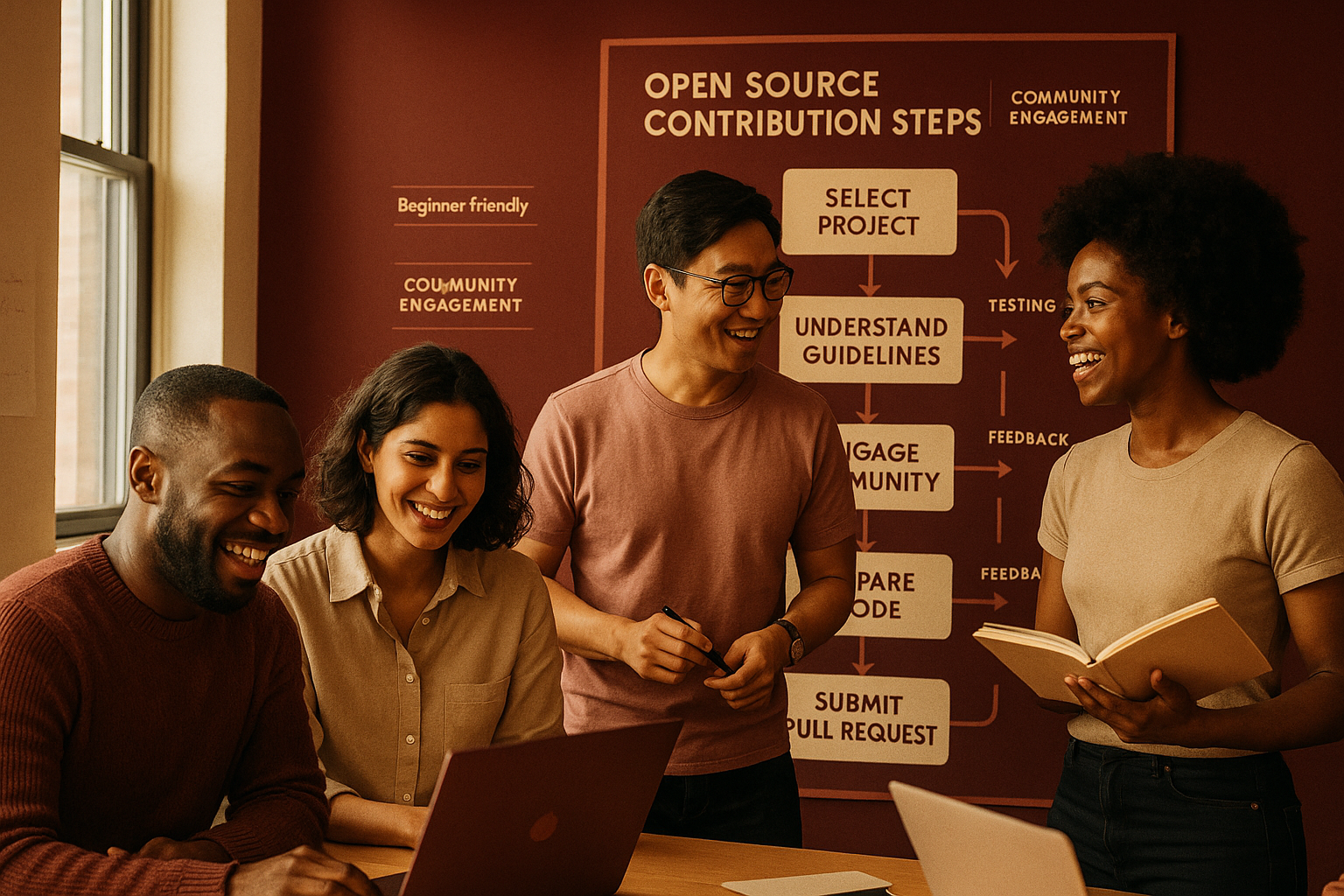
Contributing to open source projects can be an enriching experience for software engineers, offering opportunities to learn, collaborate, and enhance your portfolio. The first step to making a meaningful contribution is selecting the right project. Look for projects that align with your interests and expertise. Platforms like GitHub offer various filters to help you find projects with beginner-friendly issues.
Once you've selected a project, take the time to understand its codebase and contribution guidelines. Most projects have a CONTRIBUTING.md file that outlines the process for contributing. Familiarize yourself with the project's issue tracker to identify tasks that match your skill level. Engaging with the community through forums or chat channels can also provide clarity and direction.
After selecting an issue, create a fork of the repository and work on your changes. Ensure your code follows the project's style guide and includes adequate documentation. Before submitting a pull request, test your changes thoroughly. A well-documented and tested contribution increases the likelihood of it being accepted and appreciated by the maintainers.
Finally, submit your pull request with a clear and concise description of the changes made. Be open to feedback and ready to make revisions if necessary. Learning to navigate the review process is a valuable skill that will benefit your future contributions. Remember, each contribution, no matter how small, is a step towards deeper involvement in the open-source community.
Key points
- ·Select projects matching your skills.
- ·Understand project guidelines.
- ·Engage with the community.
- ·Prepare and test your code.
Replies
Sign in to reply.
No replies yet. Be the first to add something useful.